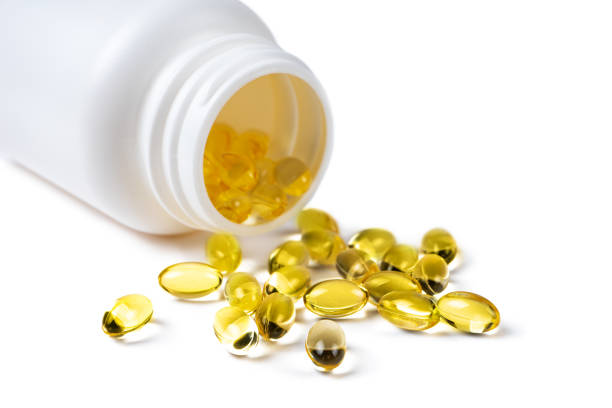
In the quiet corners of bedrooms across the globe, a silent crisis is unfolding. For many teenagers and children, the world has grown increasingly heavy, with depression emerging as a primary driver of mental illness. In the United States alone, the stakes could not be higher, as suicide has climbed to the position of the second leading cause of death among adolescents. With roughly one in six young people reporting a depressive episode—and rates soaring even higher among young women—the search for a simple, accessible solution has led many families toward the pharmacy aisles. Among the rows of bottles, omega-3 fatty acids, commonly known as fish oil pills, have shimmered with the promise of a natural remedy.
The Hope In a Golden Capsule
The fascination with fish oil did not appear out of thin air. For years, these golden supplements have been a staple in medicine cabinets, with approximately 9.5% of the Swiss population reaching for them to bolster their heart health and neurological function. The intrigue deepened when scientific whispers suggested that these fatty acids might do more than just help the heart; they might help the mind. Early studies involving adults hinted that when fish oil was paired with traditional antidepressants, patients saw a noticeable lift in their symptoms.
This glimmer of hope sparked a vital question: if it worked for adults, could it be the missing piece of the puzzle for the pediatric population? Because traditional treatments are not always easily accessible due to financial burdens or a lack of local resources, the idea of a widely available supplement was intoxicating. Families, desperate to help their children navigate the fog of moderate-to-severe depression, began to look toward these supplements as a potential lifeline. However, the scientific community knew that “hope” is not a clinical result, and they set out to determine if this popular supplement was a genuine breakthrough or merely a modern iteration of snake oil.
A Rigorous Quest for the Truth
To find the answer, a dedicated team of researchers in Switzerland launched a massive effort. This wasn’t a small, fleeting observation but a large clinical trial spanning five different specialized centers. Over the course of nine months, the team tracked 257 participants between the ages of 8 and 18. These young people were not just dealing with the blues; they were battling significant depressive symptoms that interfered with their daily lives.
The experiment was designed with the gold standard of scientific rigor: a randomized, placebo-controlled study. Half of the participants were given a daily dose of 1.5 grams of omega-3 supplements, while the other half received a placebo. Both groups continued with their standard care, allowing the researchers to see if the fish oil added any “boost” to the recovery process. The goal was to see if those taking the real fatty acids would see a sharper decline in their depression scores or a faster return to a high quality of life compared to those taking the dummy pills.
When the Data Speaks
As the nine-month trial drew to a close and the data began to pour in, the story took an unexpected turn. The researchers looked at the numbers and found a startling level of similarity between the two groups. When they measured the severity of symptoms, the omega-3 group ended with a depression score of 36.5, while the placebo group sat almost identically at 36.8.
The expected “boost” from the fish oil simply never materialized. The study, eventually published in JAMA Network Open, revealed that adding fish oil to a young person’s treatment plan did nothing to reduce suicidal ideation or lower the necessity for prescription antidepressants. While both groups of children actually showed improvement over the course of the nine months, the fish oil was not the reason why. The teenagers who took the supplement fared no better than those who had been taking a pill filled with nothing at all.
The Shadow of the Global Context
While the numbers were clear, the researchers were careful to note the unique environment in which this study took place. The trial was conducted during the height of the COVID-19 pandemic, a time of unprecedented social isolation and stress that may have weighed heavily on the results. Furthermore, the study did not account for social media use, a factor increasingly recognized as a major influence on the mental health of modern adolescents.
These external pressures mean that while the current findings are discouraging for the use of fish oil, the door isn’t slammed entirely shut. The scientific team suggested that future investigations might need to look deeper than just the symptoms on the surface. They pointed toward the exploration of biological markers—physical signs within the body—as a potential way to better tailor treatment strategies for the unique biology of a developing child.
Why the Search for Certainty Matters
This research carries weight far beyond a simple “yes” or “no” regarding a supplement. In the world of pediatric mental health, every day matters. One of the greatest dangers identified by the researchers is the “distraction” factor. When families lean on unproven natural supplements, they may inadvertently delay seeking evidence-based care.
When effective, proven treatments are pushed to the side in favor of a supplement that doesn’t work, depression is allowed to linger. The longer a depressive episode lasts, the higher the risk of a tragic outcome. By debunking the myth that fish oil is a miracle cure for adolescent depression, this study helps steer families back toward the professional medical interventions that are currently our best defense against a rising tide of mental illness. Accuracy in the pharmacy aisle is not just about saving money; it is about ensuring that the most vulnerable members of society receive the care they truly need before it is too late.
Study Details
Gregor Berger et al, ω-3 Fatty Acids in Pediatric Major Depressive Disorder, JAMA Network Open (2026). DOI: 10.1001/jamanetworkopen.2025.48703